01Planting guides
Meadow Mixes
Welcome Back, Wildflowers™ · A Feast of Flowers™ · Power Five Pollinators™ · The Gold Standard™
Broad meadow choices for gardeners who want a wildflower planting without starting from a state-specific recipe.
Wildflower seeds, clearly explained
Find the name on your bag, check its coverage, and follow the planting guidance for your flowers.
Already have your seeds?
Search the name printed on your label for planting instructions and coverage.
Choose a mix
Some gardeners prefer a guided answer. Others know the planting they want when they see it. Both paths lead to the same carefully explained collection.
The Paper Street collection
Each category solves a different planting problem. Find the family printed on your bag, then use the mix guides and coverage calculator below.
Welcome Back, Wildflowers™ · A Feast of Flowers™ · Power Five Pollinators™ · The Gold Standard™
Broad meadow choices for gardeners who want a wildflower planting without starting from a state-specific recipe.
Alabama Wildflower Mix · Alaska Wildflower Seed Mix · Arizona & New Mexico Supermix™ · Arkansas Wildflower Mix · Northern California Wildflower Mix · California Supermix™ · Colorado Wildflower Mix · Connecticut Wildflower Mix · Delaware Wildflower Mix · Northern Florida Wildflower Mix · Georgia Wildflower Mix · Idaho Wildflower Mix · Illinois Wildflower Mix · Indiana Wildflower Mix · Iowa Wildflower Mix · Eastern Kansas Wildflower Mix · Western Kansas Wildflower Mix · Kentucky Wildflower Mix · Louisiana Wildflower Mix · Maine Wildflower Mix · Maryland Wildflower Mix · Massachusetts Wildflower Mix · Michigan Wildflower Mix · Midwestern Wildflower Mix · Minnesota Wildflower Mix · Mississippi Wildflower Mix · Missouri Wildflower Mix · Montana Wildflower Mix · Eastern Nebraska Wildflower Mix · Western Nebraska Wildflower Mix · Northern Nevada Wildflower Mix · New Hampshire Wildflower Mix · New Jersey Wildflower Mix · New York Wildflower Mix · North Carolina Wildflower Mix · North Dakota Wildflower Mix · Northeast Wildflower Mix · Northwestern Wildflower Mix · Ohio Wildflower Mix · Oklahoma – Central & Western Wildflower Mix · Oklahoma – Eastern Wildflower Mix · Eastern Oregon Wildflower Mix · Western Oregon Wildflower Mix · Pennsylvania Wildflower Mix · Rhode Island Wildflower Mix · South Carolina Wildflower Mix · South Dakota Wildflower Mix · Southeastern Wildflower Mix · Tennessee Wildflower Mix · Texas – Central & Western Wildflower Mix · Eastern Texas Wildflower Mix · Utah Wildflower Mix · Vermont Wildflower Mix · Virginia Wildflower Mix · Eastern Washington Wildflower Mix · Western Washington Wildflower Mix · West Virginia Wildflower Mix · Western Wildflower Mix · Wisconsin Wildflower Mix · Wyoming Wildflower Mix
Regional and state-labeled mixes selected for where the seed will be planted. State listings stay distinct even when neighboring states share one regional recipe and supporting art.
Under the Tree™ · Throw in Shade™
Wildflower collections for filtered light, woodland edges, and sites with limited direct sun.
Bring On the Bees™ · Bring On the Butterflies™ · Power Five Pollinators™ · Premium Pollinators Wildflower Mix · Midnight Moth Garden™
Flower-rich collections selected for bees, butterflies, and other beneficial visitors.
The Gold Standard™ · Power Five Pollinators™ · Grow Three Natives™ · Plant Four Icons™
Focused collections built around recognizable North American wildflowers.
Sow on Snow™ · Under the Tree™ · Throw in Shade™ · No Rain, No Cry™ · All Cattle, No Hat™ · I’ll Miss You, Deer™ · Bloom with a View™ · Peek-a-Bloom™
Problem-solving and use-case mixes for dormant sowing, drought, deer pressure, ranches, and unusual sites.
Ancient Blooms Apothecary™ · Bloom Appétit™ · Eau de Bloom™ · Midnight Moth Garden™
Herbal, fragrant, and edible-flower collections with a garden-to-home point of view.
A Feast of Flowers™ · Peek-a-Bloom™ · Bloom to Bouquet™
Fast annual color, cut flowers, and ornamental garden collections.
Serenity Now™ · Sun of a Bloom™ · ROY G. BLOOM™
Palette-driven mixes organized around color rather than geography or plant function.
Baby Blue Eyes · Black-Eyed Susan · Blanketflower · Blue Flax · Calendula ‘Fiesta Gitana’ · California Poppy · Common Columbine · Crown Tickseed · Dense Blazing Star · Fivespot · Globe Gilia · Lanceleaf Coreopsis · Lewis Flax · Love-in-a-Mist ‘Miss Jekyll’ · Love-Lies-Bleeding · Oxeye Sunflower · Prairie Coneflower · Purple Coneflower · Purple Prairie Clover · Scarlet Flax · Sensation Cosmos · Shasta Daisy ‘Alaska’ · Wild Perennial Lupine · California Giants Zinnia · Cut and Come Again Zinnia · Envy Zinnia · Hollyhock Single Mixed · Mexican Sunflower · Annual Candytuft · Johnny Jump-Up ‘Helen Mount’ · Rocket Larkspur ‘Imperial Mix’ / Delphinium · Foxglove Excelsior Mix
Single-species seed for drifts, custom combinations, and gardeners who want full control.
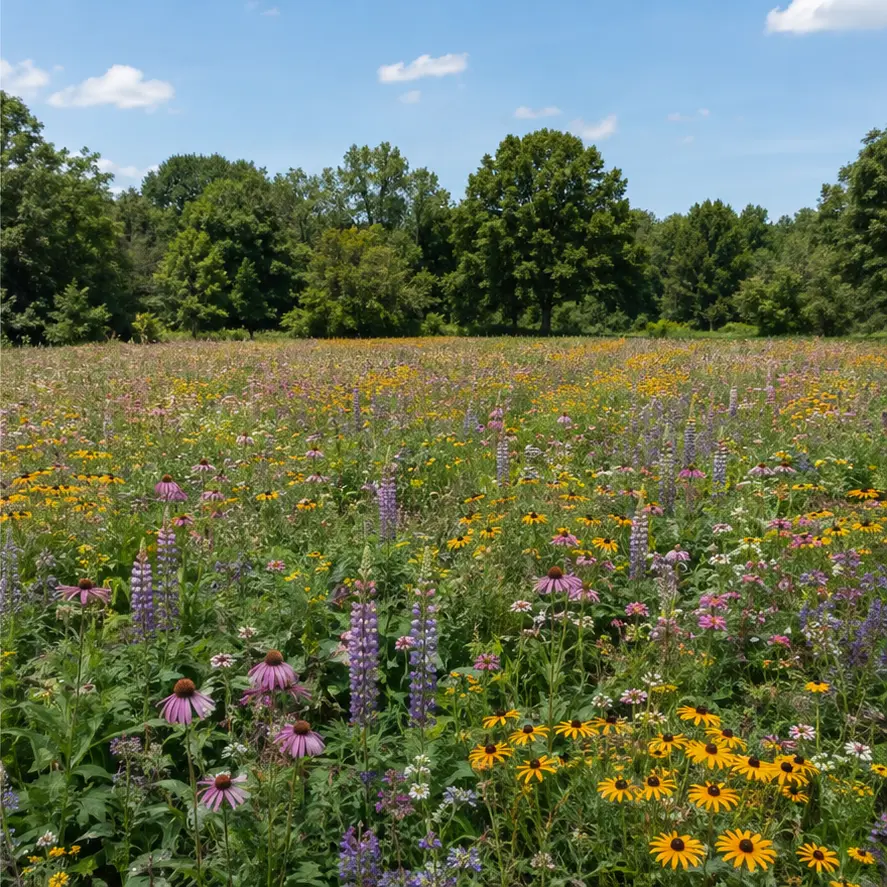
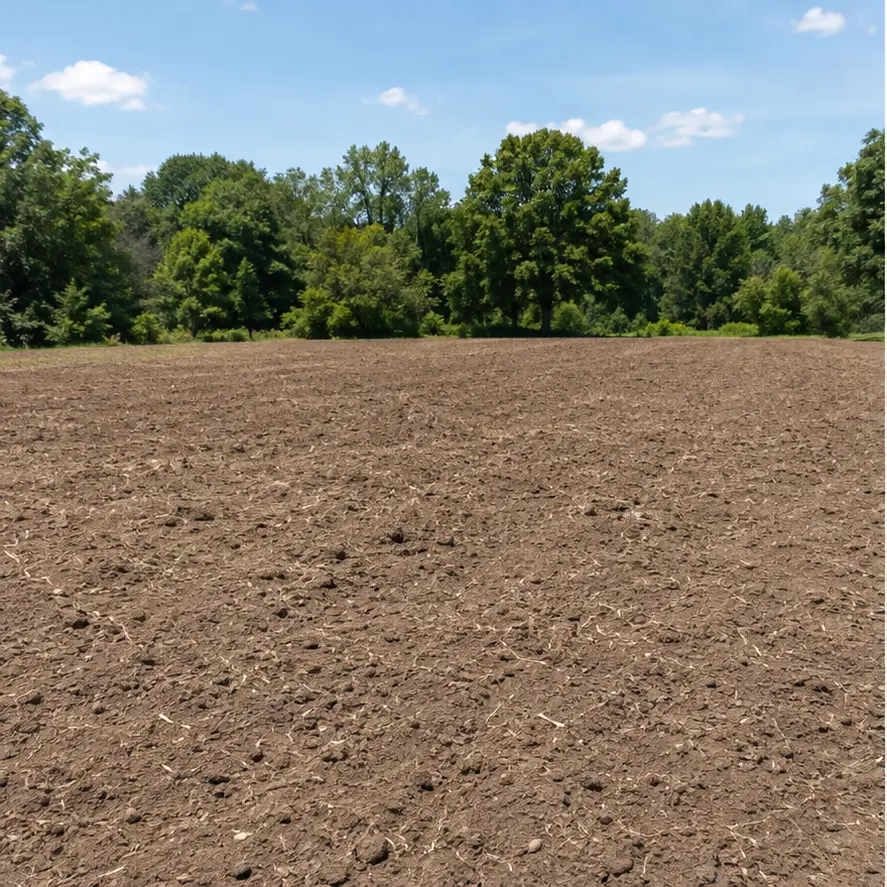
All Perennial transformation
Drag the handle to reveal how a prepared patch can develop as perennial wildflowers establish and mature.
 Planting DayYear 2 and Beyond
Representative results. Bloom density, timing, and species composition vary by site preparation, climate, weather, and care.
Coverage guide
Choose your product and package size. Coverage and available sizes are specific to each product.
Welcome Back, Wildflowers™
500 sq ftApproximate coverage for 4 ozApproximately 125 square feet per ounceOpen the planting guide →If your older package size is not shown, use its printed coverage and the product’s planting instructions. Kits may have separate directions for each packet.
Why Paper Street
Find the right seed for your geography, sunlight, planting space, and goals.
See accurate coverage, establishment timing, and realistic results before you plant.
The QR code on every label brings you back to current planting instructions and mix-specific guidance.
The universal planting guide
Use the coverage shown in the guide above or printed on your bag. These instructions explain the planting method.
Remove grass, weeds, mulch, leaves, and heavy debris. Wildflower seed needs exposed soil—not a landing place on top of turf.
Use the coverage guide or the rate printed on your bag. Divide seed in half and sow in two directions for a more even result.
Walk, roll, or press seed firmly into the surface. Good seed-to-soil contact matters more than covering it deeply.
Water gently and keep the surface consistently moist through germination. Reduce watering as roots develop.
Mix-specific notes
Use the product intended for the planting location. Local rainfall, heat, dormancy, and frost timing matter.
Expect roots and foliage first. Some first-year flowers are possible; the stronger display usually develops later.
Use full sun when possible and follow the rate on the bag. A dry carrier can make broadcasting more even.
Sixteen flowers for filtered light and roughly 1–4 hours of direct sun. Remove competing growth, expose soil, press seed firmly, and keep moist through establishment.
A separate nine-flower woodland-edge mix for dappled light beneath established trees. Remove leaf litter, expose soil, and provide establishment water where mature roots keep the soil dry.
Snow is optional. Plant on prepared soil in spring or fall, on frozen bare ground, or over no more than about three inches of fresh snow. Frozen or snowy sowing may establish fewer seeds than prepared-soil planting, so use a heavier rate. Do not bury or water dormant seed, and avoid deep snow and runoff-prone slopes.
An all-annual mix for first-season color. Broadcast onto exposed soil, press firmly, and keep moist through germination. It can also be overseeded into established perennial plantings where adequate bare soil is available.
Open the A Feast of Flowers™ / All Annuals guide →
Prepare exposed soil, broadcast evenly, press seed firmly into the surface, and keep the seedbed consistently moist through germination. Best in full sun, with well-drained soil and a little patience for the perennial portion.
Open the Serenity Now™ guide →
Prepare exposed soil, broadcast evenly, press seed firmly into the surface, and keep the seedbed consistently moist through germination. Full sun gives the cleanest color and strongest overall performance.
Open the Sun of a Bloom™ guide →
Prepare exposed soil, broadcast evenly, press seed firmly into the surface, and keep the seedbed consistently moist through germination. Give it full sun and room to show off the range of colors as the stand develops.
Open the ROY G. BLOOM™ guide →
Clear competing growth, loosen and expose the soil, scatter seed evenly, press or rake very lightly for seed-to-soil contact, and water gently. Keep the surface consistently moist through germination without washing seed away.
Open the Peek-a-Bloom™ guide →
Prepare exposed soil, broadcast evenly, press firmly, and keep appropriately moist through establishment. Well-drained rocky or lean soils are a natural fit.
Open the Bloom with a View™ guide →
Prepare exposed soil, broadcast evenly, press seed firmly into the surface, and keep the seedbed consistently moist through germination. Do not bury deeply. Drought tolerance develops after establishment; water seedlings regularly.
Open the No Rain, No Cry™ guide →
Prepare exposed soil, broadcast evenly, press seed firmly into the surface, and keep the seedbed consistently moist through germination. Do not bury deeply.
Open the All Cattle, No Hat™ guide →
Clear competing vegetation, expose the soil, broadcast evenly, press seed firmly into the soil surface, and keep the seedbed consistently moist through germination. Do not bury deeply.
Open the The Gold Standard™ guide →
Prepare exposed soil, broadcast evenly, press seed firmly into the surface, and keep the seedbed consistently moist through germination. Do not bury deeply.
Open the Ancient Blooms Apothecary™ guide →
Prepare exposed soil, broadcast evenly, press seed firmly into the surface, and keep the seedbed consistently moist through germination. Do not bury deeply.
Open the Bloom Appétit™ guide →
Prepare exposed soil, broadcast evenly, press seed firmly into the surface, and keep the seedbed consistently moist through germination. Do not bury deeply.
Open the Eau de Bloom™ guide →
Not yet available. This cutting-garden mix is in development. Final species, coverage, and planting instructions will be published before launch.
Open the Bloom to Bouquet™ guide →
For most individual species, thoroughly mix the seed with clean, dry vermiculite or sand before broadcasting. The added volume helps distribute small or lightweight seeds evenly without changing the seeding rate. Larger seeds such as Wild Perennial Lupine can be sown without a carrier, but still benefit from one. Follow the planting depth and any pretreatment instructions in the individual species guide.
The story behind the seeds
Paper Street began with a return.
Before becoming a lawyer, our founder worked as an environmental scientist in wetland and upland preserve restoration and later in water-use regulation. He went to law school hoping to help shape environmental law and policy, but his career ultimately led into corporate law. Paper Street became a new way back—putting seed and practical guidance into the hands of people who want to turn ordinary ground into thriving habitat.
Paper Street Perennials® is a family-owned wildflower seed company. We build approachable collections for meadows, pollinators, shade, and familiar native flowers, then support them with the kind of instructions we would want to receive ourselves.
Our business is intentionally practical: thoughtfully selected seed, clear packaging, honest guidance, and a growing catalog shaped by what gardeners actually need.
Science informed. Garden tested. Honestly explained.
The goal is not simply to sell you a bag of seed—it is to help you turn your patch of ground into a thriving ecosystem.PAPER STREET PERENNIALS®
Before you sow
Usually not well. Dense turf intercepts seed and competes with young roots. Expose soil before sowing.
Clean, dry vermiculite or sand is strongly recommended for most individual species, especially those with small or lightweight seeds. Larger seeds can be broadcast without one, but still benefit from the added volume.
Perennials often spend their first season establishing roots and foliage. A meadow develops over seasons, not days.
Avoid heavy fertilizer. It can favor weeds and leafy growth over flowers; wildflowers generally perform well in lean soil.
Use the coverage guide on this site and the coverage statement printed on your bag. Product formulations and available sizes can change.
No. It can be planted on prepared soil in spring or fall, on frozen bare ground, or over no more than about three inches of fresh snow. Seed-to-soil contact and establishment can be lower on frozen or snowy ground, so use a heavier seeding rate than you would on prepared soil. Avoid deep snow and places where meltwater can move seed.
Keep this guide close
Return anytime for current coverage guidance, mix-specific planting notes, realistic bloom expectations, and answers to common establishment questions.